
How Long Does Viagra Last? Timing & Safety Guide

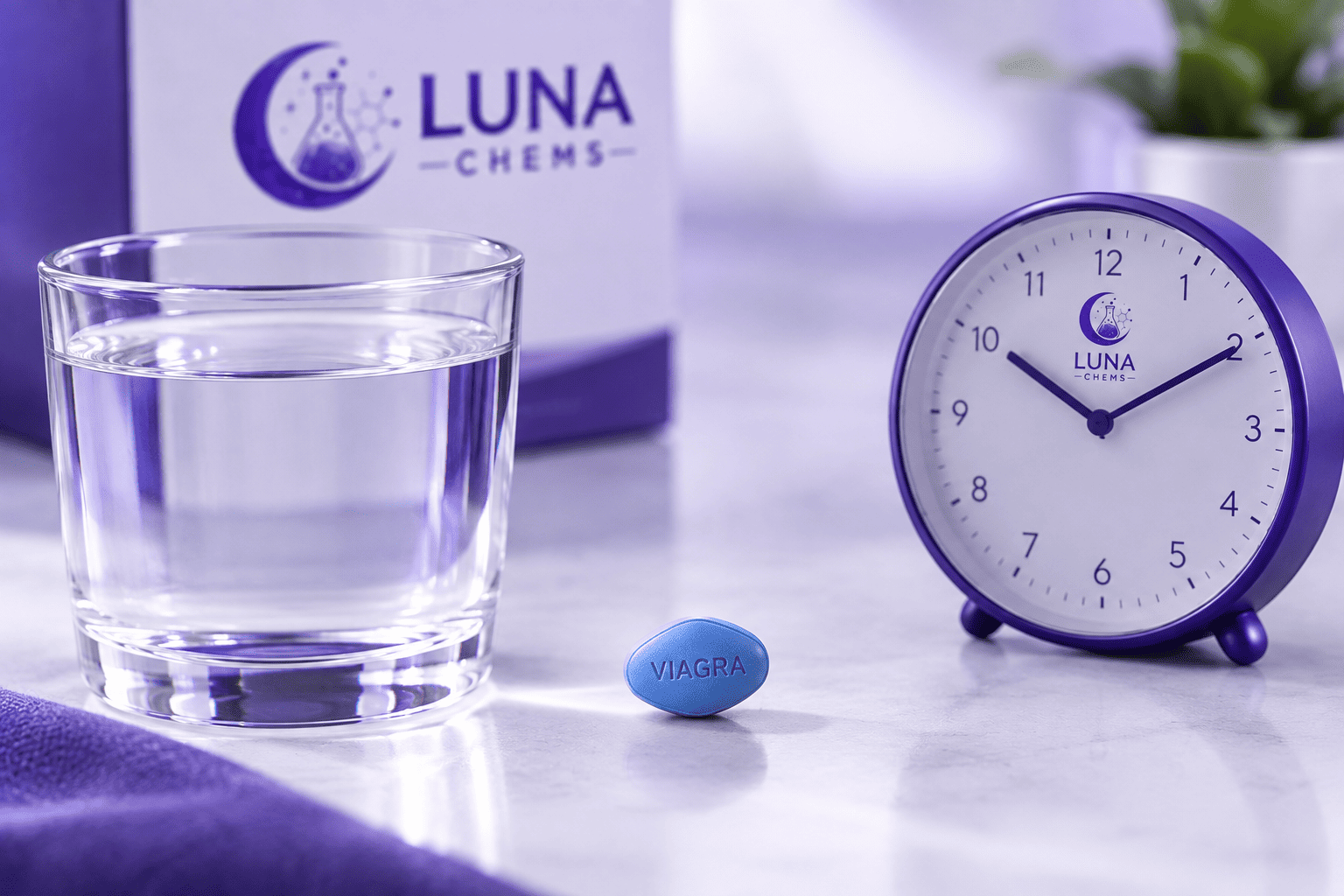
How Long Does Viagra Last? Timing, Duration and Safety Explained
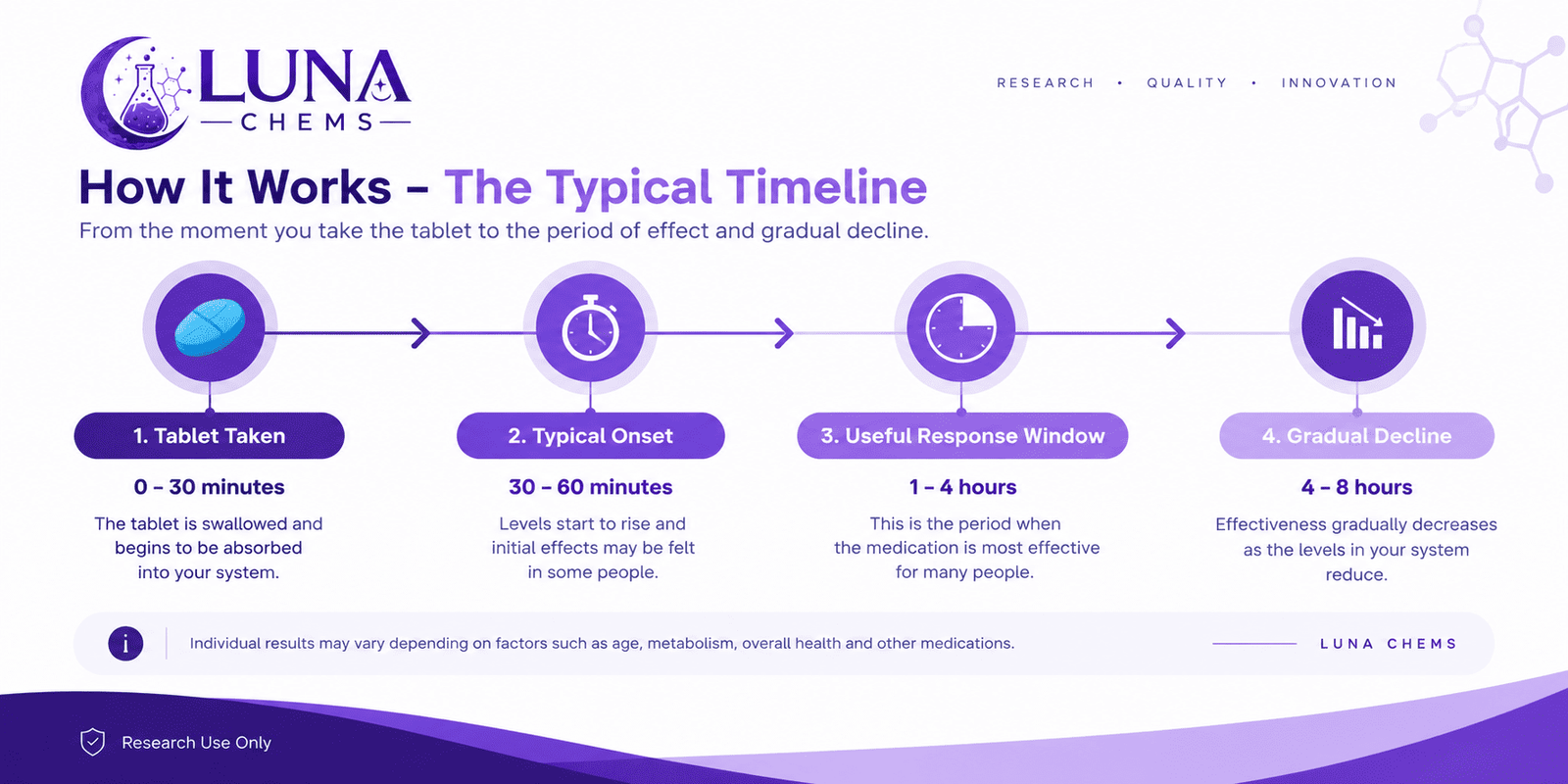
How long does Viagra last? For most people, Viagra provides a useful response window of approximately four hours. It normally starts working within 30 to 60 minutes, although its effects gradually become weaker over time.
This does not mean Viagra causes a four-hour erection. Instead, it may make it easier to get and maintain an erection when sexual stimulation occurs during that period.
Viagra contains sildenafil, a phosphodiesterase type 5—or PDE5—inhibitor used to treat erectile dysfunction. The manufacturer advises taking it approximately one hour before sexual activity, although it may be taken between 30 minutes and four hours beforehand. It should not be taken more than once a day. Pfizer’s patient information provides the complete instructions.
Quick answer: Viagra usually starts working within 30–60 minutes and remains effective for around four hours. Its strongest and most reliable effects generally occur earlier in that window. Sexual stimulation is still necessary.
Viagra Timing at a Glance
| Time after taking Viagra | What may happen |
|---|---|
| 0–30 minutes | The tablet begins dissolving and sildenafil is absorbed. |
| 30–60 minutes | Many people begin noticing its effects. |
| Around 1 hour | This is the standard recommended planning point before sexual activity. |
| 1–4 hours | Viagra may continue supporting erections when sexual stimulation occurs. |
| After 4 hours | The effect is often significantly weaker, although the medicine has not completely left the body. |
This timeline is a general guide. Age, food, alcohol, health conditions and other medicines can change how quickly Viagra works and how long the response remains noticeable.
What Does “Viagra Lasts Four Hours” Actually Mean?
The four-hour figure describes the period during which Viagra may improve the body’s erectile response. It does not mean that a person will remain sexually aroused or have an erection for the entire period.
Viagra only supports an erection when sexual stimulation activates the normal arousal process. If stimulation ends, the erection should normally subside. The medicine does not automatically create an erection, increase sexual desire or cure the underlying cause of erectile dysfunction. MedlinePlus explains that sildenafil increases blood flow during sexual stimulation but does not increase sexual desire.
Therefore, “lasting four hours” means that several opportunities for sexual activity may be possible within the response window—not that one erection should continue for four hours.
An erection that lasts longer than four hours is a medical emergency called priapism. It requires immediate treatment to reduce the risk of permanent tissue damage.
How Quickly Does Viagra Start Working?
Viagra commonly begins working within 30 to 60 minutes. The prescribing information recommends taking it about one hour before anticipated sexual activity.
However, the exact onset varies. Some people may respond sooner, while others may need more time. A large or high-fat meal can delay absorption and make Viagra take longer to work.
The medicine may be taken with or without food. Nevertheless, taking it after a heavy meal can delay its onset. The FDA prescribing information reports that sildenafil reaches its maximum blood concentration later when taken with a high-fat meal.
Sexual stimulation must also occur. If someone takes Viagra and simply waits without becoming sexually aroused, they may incorrectly conclude that the medicine is not working.
How Does Viagra Work?
During sexual stimulation, the body releases chemical signals that relax blood vessels in the penis. This allows more blood to enter the erectile tissues.
An enzyme called PDE5 breaks down one of the chemicals involved in this process. Sildenafil temporarily blocks PDE5, helping the blood-flow response continue long enough to achieve and maintain an erection.
Viagra does not initiate sexual arousal by itself. It strengthens the natural physical response after arousal has begun. The European Medicines Agency confirms that sexual stimulation is necessary for Viagra to work.
What Can Affect How Long Viagra Lasts?

Viagra does not affect everyone for exactly the same amount of time. Several factors can influence its onset, strength and duration.
1. Food and meal size
A large or high-fat meal can slow the absorption of sildenafil. This may delay the medicine’s onset, even if its overall action remains similar.
Someone who expects Viagra to work after 30 minutes may think it has failed when a heavy meal has simply delayed the response.
2. Dosage
Viagra tablets are commonly available in 25 mg, 50 mg and 100 mg strengths. A higher dose can produce a stronger response in some people, but it does not guarantee a longer response window.
Higher doses can also increase the likelihood of headaches, flushing, indigestion, dizziness and visual disturbances. Never increase the dose without speaking to a doctor or pharmacist.
3. Age
The body may process sildenafil more slowly with age. This can increase exposure to the medicine and potentially increase side effects.
Age alone does not determine the correct dose. A healthcare professional should consider the person’s overall health, other medicines and treatment response.
4. Liver or kidney function
The liver metabolizes sildenafil, while the body’s elimination systems help remove it. Liver disease or severe kidney problems can change how the medicine is processed.
People with these conditions may require a lower starting dose or additional monitoring. They should not adjust their treatment without professional guidance.
5. Other medicines
Some medicines increase sildenafil levels, while others can create dangerous interactions. These include certain:
- Nitrate medicines
- Blood-pressure medicines
- Alpha-blockers
- HIV protease inhibitors
- Antifungal medicines
- Antibiotics
- Pulmonary-hypertension treatments
- Other erectile-dysfunction medicines
Provide your doctor or pharmacist with a complete list of prescription medicines, over-the-counter products and supplements before using sildenafil.
6. Alcohol
A small amount of alcohol may not prevent Viagra from working. However, excessive alcohol consumption can make it more difficult to achieve an erection. It can also worsen dizziness, headache and low-blood-pressure symptoms.
The NHS sildenafil guidance recommends avoiding excessive alcohol because it can interfere with erectile function.
7. Grapefruit
Grapefruit and grapefruit juice can affect how some medicines are processed and may increase the risk of sildenafil side effects. Ask a pharmacist whether grapefruit is safe with your specific medicine and health history.
8. Physical and psychological factors
Stress, anxiety, relationship concerns, tiredness and insufficient stimulation can influence erectile response even when Viagra is present in the body.
Diabetes, circulation problems, high blood pressure, hormonal conditions and cardiovascular disease may also affect results. Persistent erectile dysfunction deserves a medical assessment because it can sometimes be associated with another health condition.
How Long Does Viagra Stay in Your System?
Viagra’s useful erectile effect and the time sildenafil remains in the body are not the same thing.
Sildenafil has an average terminal half-life of approximately four hours. A half-life is the time required for the amount of medicine in the body to decrease by about half. Therefore, some sildenafil can remain after the noticeable erectile effect has weakened.
The amount continues falling over successive half-lives. Age, liver function, kidney function and interacting medicines can affect this process. Do not use half-life calculations to decide when to take another tablet. Follow your prescribed directions and do not take Viagra more than once within 24 hours unless a qualified prescriber has given different instructions for your specific situation.
How to Use Viagra More Reliably
The following steps may help Viagra work as expected while reducing avoidable risks:
- Follow your prescribed dose. Do not increase it because the first attempt was unsuccessful.
- Plan approximately one hour ahead. This gives the medicine time to be absorbed.
- Avoid taking it immediately after a heavy meal. A high-fat meal can delay the onset.
- Allow time for sexual stimulation. Viagra does not create desire or an automatic erection.
- Limit alcohol. Excessive drinking can make erectile dysfunction worse.
- Do not combine ED medicines. Combining sildenafil with tadalafil, vardenafil or similar products can be dangerous.
- Do not redose later the same day. More medicine can increase side effects without guaranteeing better results.
- Speak to a healthcare professional if it repeatedly fails. Timing, dosage, interactions or an underlying health problem may need to be reviewed.
A single unsuccessful attempt does not always mean Viagra is unsuitable. However, repeated failure should be discussed with a doctor rather than managed through unsupervised dose increases.
Does Viagra 100 mg Last Longer Than 50 mg?
Not necessarily. A 100 mg dose may produce a stronger effect in some patients, but it does not reliably double the duration of a 50 mg dose.
The prescribed strength should be based on effectiveness, tolerability, medical history and possible interactions. Taking a higher dose than recommended can increase side effects without providing a meaningful benefit.
The maximum recommended Viagra dose for erectile dysfunction is generally 100 mg, with no more than one dose per day. Only a healthcare professional should decide whether a dose adjustment is appropriate.
Can Viagra Last Longer Than Four Hours?
Some people may notice residual effects beyond four hours. However, the response usually becomes weaker and less predictable as sildenafil levels decline.
Factors that slow the processing of sildenafil may extend its presence in the body. These include older age, liver or kidney impairment and certain interacting medicines. A longer response does not automatically mean the medicine is working better.
Most importantly, the ability to respond to stimulation for several hours is different from having one continuous erection. A persistent erection—especially one approaching or exceeding four hours—requires urgent medical attention.
Common Viagra Side Effects
Commonly reported side effects include:
- Headache
- Facial flushing
- Indigestion or upset stomach
- Nasal congestion
- Nausea
- Dizziness
- Blurred vision
- Temporary changes in colour vision
- Muscle or back discomfort
These effects often improve as the medicine wears off. Contact a healthcare professional if side effects are severe, persistent or worrying.
Important Viagra Safety Warnings
Never combine Viagra with nitrates
Do not take Viagra with nitrate medicines used for chest pain, such as nitroglycerin or isosorbide. This combination can cause a sudden and dangerous drop in blood pressure.
The warning also applies to recreational “poppers” containing amyl nitrite or similar nitrate substances.
Viagra must also not be combined with guanylate cyclase stimulators such as riociguat. Pfizer’s official patient information lists these combinations as contraindicated.
Seek urgent medical help for serious symptoms
Get immediate medical assistance if you experience:
- An erection lasting longer than four hours
- Chest pain, severe dizziness or nausea during sexual activity
- Sudden loss or reduction of vision
- Sudden hearing loss or a major change in hearing
- Fainting, breathing difficulty or signs of a severe allergic reaction
If emergency care is needed, tell the medical team when sildenafil was taken. This is particularly important because nitrate medicines may be unsafe after sildenafil use.
Ask for medical advice before taking Viagra if you have:
- Heart disease or previous heart problems
- A recent heart attack or stroke
- Low blood pressure
- Uncontrolled high blood pressure
- Significant liver or kidney disease
- A history of prolonged erections
- Sickle cell disease, multiple myeloma or leukaemia
- An inherited eye disorder or previous sudden vision loss
- A penile deformity such as Peyronie’s disease
Suggested safety image
- Placement: Beside or immediately above the safety-warning section
- Image concept: A pharmacist reviewing a medicine list with a patient, with a subtle warning symbol and heart-health icon
- Recommended size: 1000 × 700 pixels
- Filename:
viagra-sildenafil-safety-warning.jpg - Image title: Sildenafil Safety and Medicine Interactions
- Alt text: Pharmacist reviewing sildenafil interactions and safety precautions with a patient
- Caption: A medicine review can identify nitrates and other treatments that may interact with sildenafil.
Frequently Asked Questions
Does Viagra keep you erect for four hours?
No. Viagra may support the ability to achieve an erection during a response window of roughly four hours. Sexual stimulation is required, and the erection should normally subside when stimulation ends.
How long does Viagra take to work?
It usually starts working within 30–60 minutes. Taking it after a large or high-fat meal can delay the onset.
When is Viagra at its strongest?
Sildenafil blood concentrations commonly reach their maximum within approximately 30–120 minutes when taken while fasting. The response is usually more dependable earlier in the four-hour window, although individual timing varies.
Can I take another Viagra tablet after four hours?
Do not take another dose simply because four hours have passed. Viagra should generally be taken no more than once within 24 hours. Ask your prescriber for advice if the prescribed dose is not effective.
Does 100 mg Viagra last longer?
A higher dose may produce a stronger response, but it does not guarantee a longer duration. It can also increase side effects. Never increase your dose without medical advice.
Can food stop Viagra from working?
Food does not necessarily stop it from working. However, a heavy or high-fat meal can delay absorption, making the medicine take longer to produce an effect.
Does Viagra help you last longer during sex?
Viagra treats erectile dysfunction by supporting blood flow. It does not directly delay ejaculation and is not a standard treatment for premature ejaculation. Speak with a healthcare professional if ejaculation timing is the main concern.
Is generic sildenafil different from Viagra?
Viagra is a brand name for sildenafil. Approved generic sildenafil contains the same active ingredient and must meet the relevant quality and bioequivalence requirements. Packaging, inactive ingredients and price may differ.
What should I do if Viagra does not work?
Do not take extra tablets. Check whether it was taken at the correct time, whether a heavy meal or excessive alcohol may have delayed the effect, and whether enough sexual stimulation occurred. If it repeatedly fails, speak with a doctor or pharmacist.
Is an erection lasting four hours normal after Viagra?
No. An erection approaching or exceeding four hours is not the expected effect. Seek emergency medical treatment immediately.
The Bottom Line
So, how long does Viagra last? Its useful erectile-response window is typically around four hours, with effects usually beginning within 30–60 minutes. The medicine becomes less effective as time passes and does not cause a continuous erection.
Food, alcohol, dosage, other medicines and individual health can affect the timing. Viagra also requires sexual stimulation to work.
Use sildenafil exactly as directed, never combine it with nitrates or riociguat, and do not take more than one dose per day. Seek urgent medical care for an erection lasting longer than four hours or for chest pain, sudden vision loss or sudden hearing loss.