Buy 3-Cl-PCP Crystal for Advanced Laboratory Research in Europe
Buy 3-CL-PCP Crystal online, 3-Cl-PCP (3-Chlorophencyclidine; 1-(1-(3-chlorophenyl)cyclohexyl)piperidine) represents a critical chlorinated arylcyclohexylamine-based dissociative reference compound for contemporary forensic toxicology and analytical chemistry investigations across European laboratories. As the definitive EU source for rigorously characterised research chemicals, Pure Lab Chems .eu supplies 3-Cl-PCP crystal exclusively to qualified analytical chemists, biochemists, pharmacologists, and laboratory managers engaged in controlled in vitro research, mass spectral method validation, and NMDA receptor binding studies within institutional frameworks.
Uncompromising Purity and Analytical Characterisation
Every batch of 3-Cl-PCP crystal supplied by Pure Lab Chems .eu is guaranteed to achieve a minimum purity of ≥99.0%, as verified by reverse-phase high-performance liquid chromatography (RP-HPLC) with ultraviolet detection at 230 nm and 280 nm. This purity specification is not merely a numerical target; it represents the foundation upon which reproducible, publishable research outcomes depend. Each shipment is accompanied by a comprehensive Certificate of Analysis (CoA) that documents batch-specific HPLC chromatograms, retention time confirmation against certified reference standards, and quantitative impurity profiling with identification of any related arylcyclohexylamine analogues or synthetic intermediates.
The CoA further includes residual solvent analysis conducted in accordance with ICH Q3C guidelines, ensuring that levels of dichloromethane, acetonitrile, methanol, and other process-related solvents remain below permitted daily exposure limits. Heavy metal content (lead, cadmium, mercury, arsenic) is verified by inductively coupled plasma mass spectrometry (ICP-MS) and reported at parts-per-million levels, typically below 10 ppm for each element. These stringent specifications distinguish our analytical-grade material from lower-grade industrial reagents that may contain uncharacterised impurities capable of confounding mass spectral interpretations or cellular assay results.
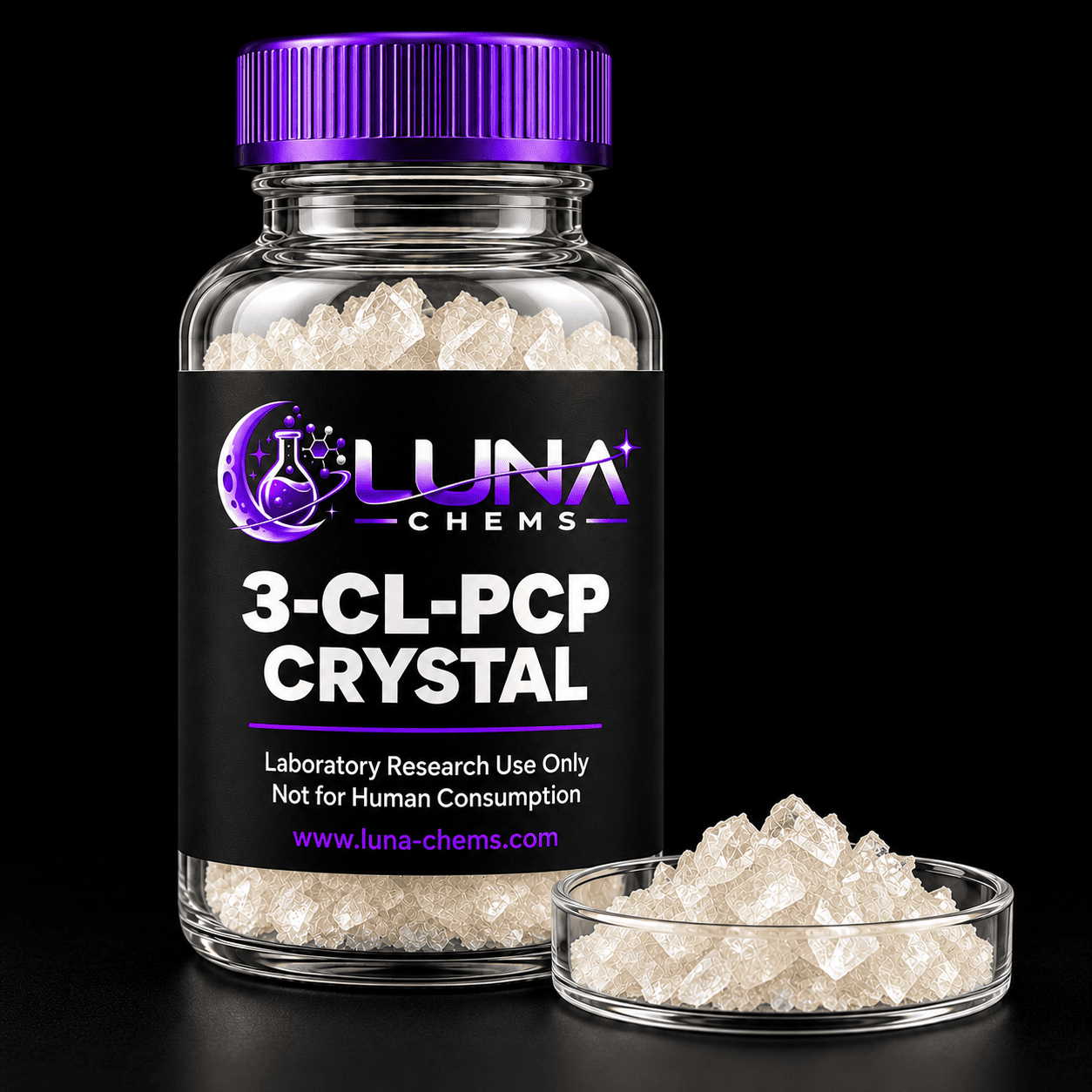
3-Cl-PCP is supplied as well-formed crystalline material exhibiting an off-white to white appearance, consistent with the physical characteristics of chlorinated arylcyclohexylamine compounds. This physical form is verified through visual inspection under controlled lighting conditions and documented in the CoA with high-resolution imagery. The crystalline format ensures precise mass delivery for stock solution preparation, facilitates rapid dissolution in appropriate solvents for in vitro applications, and enables accurate gravimetric dispensing for analytical method development. For laboratory managers procuring reference standards for LC-MS/MS library development or proficiency testing schemes targeting novel dissociative substances, this level of physical and chemical characterisation is non-negotiable.
Principal Laboratory Applications and Research Methodologies
Analytical Toxicology & Forensic Chemistry: 3-Cl-PCP serves as a certified reference material (CRM) for mass spectral library development in LC-MS/MS and GC-MS platforms used by forensic toxicology laboratories across the EU. As a chlorinated analogue of phencyclidine (PCP), 3-Cl-PCP has emerged as a relevant compound in drug-facilitated sexual assault (DFSA) investigations, driving under the influence of drugs (DUID) cases, and post-mortem toxicology screenings. The compound’s characteristic fragmentation pattern under electrospray ionisation (ESI) and electron impact (EI) conditions enables unambiguous identification in complex biological matrices during method validation for toxicological screenings. The presence of the chlorine atom provides a distinctive isotopic signature (³⁵Cl/³⁷Cl ratio approximately 3:1) that facilitates detection and confirmation in high-resolution mass spectrometry (HRMS) workflows. Laboratories participating in proficiency testing schemes utilise 3-Cl-PCP reference standards to calibrate instrumentation, verify extraction recovery rates, and establish limits of detection (LOD) and quantification (LOQ) for novel arylcyclohexylamine analogues.
Chemical Synthesis & Reaction Monitoring: As a high-purity chlorinated arylcyclohexylamine building block, 3-Cl-PCP functions as a reference standard for monitoring synthetic transformations in medicinal chemistry research programmes focused on novel NMDA receptor antagonists and dissociative analogues. The compound’s well-defined IUPAC structure (1-(1-(3-chlorophenyl)cyclohexyl)piperidine) provides a stable benchmark against which reaction intermediates and analogues are compared via NMR spectroscopy and HPLC retention time matching. Synthetic chemists developing novel NMDA receptor ligands rely on 3-Cl-PCP’s consistent chromatographic behaviour to validate new purification protocols and establish structure-activity relationships (SAR) within the arylcyclohexylamine class, particularly in relation to structurally similar compounds such as phencyclidine (PCP), 4-Cl-PCP, 3-Cl-PCE, 2-Cl-PCE, and eticyclidine (PCE).
Pharmacological In Vitro Assays: Within controlled laboratory environments, 3-Cl-PCP is employed in receptor-binding and functional assays using recombinant NMDA receptor subtypes expressed in mammalian cell lines. The compound serves as a reference standard in competitive binding assays, enabling determination of Ki and IC₅₀ values for novel NMDA receptor antagonists. 3-Cl-PCP acts primarily as an NMDA receptor antagonist with high affinity, and also exhibits activity as a dopamine reuptake inhibitor, making it a valuable tool for neurochemical and SAR studies. The chlorine substitution at the meta position of the phenyl ring modulates lipophilicity and metabolic stability relative to unsubstituted PCP, providing critical insights into the pharmacokinetic properties of arylcyclohexylamine analogues. Cellular uptake assays utilise 3-Cl-PCP to investigate transporter-mediated flux across blood-brain barrier models, while metabolic stability profiling in primary hepatocyte cultures or liver microsomes establishes intrinsic clearance rates for structure-activity relationship (SAR) investigations. All such applications are strictly limited to in vitro modelling and must be conducted by qualified personnel within appropriate institutional frameworks (university, CRO, or pharmaceutical R&D).
Quality Control & Method Validation: Pharmaceutical quality control laboratories utilise 3-Cl-PCP reference standards to validate analytical methods for detecting dissociative impurities and novel psychoactive substances in drug substance and drug product matrices. The compound’s well-characterised UV absorption spectrum (λmax approximately 230 nm and 280 nm) enables spectrophotometric quantification during assay development, while its stability under accelerated conditions (40°C/75% RH) supports forced degradation studies for regulatory submissions. 3-Cl-PCP is particularly valuable for validating methods targeting emerging dissociative substances in seized materials and biological samples, including differentiation from closely related arylcyclohexylamine analogues.
Compound Stability, Optimal Storage, and Safe Handling Protocols
3-Cl-PCP exhibits moderate susceptibility to photolytic degradation and oxidative breakdown, necessitating strict storage protocols to maintain analytical integrity over extended periods. The crystalline material should be stored at -20°C in amber glass vials with PTFE-lined caps, protected from light and maintained under desiccated conditions (relative humidity <10%) or under inert atmosphere (nitrogen or argon) to prevent oxidative degradation. For short-term use (up to 30 days), storage at +4°C in a dedicated laboratory refrigerator is acceptable, provided the vial remains sealed and protected from ambient light. Long-term archival storage (-80°C under inert atmosphere) is recommended for reference standards intended for multi-year use in proficiency testing or inter-laboratory comparisons.
Critical safe handling prerequisites mandate that all manipulations of 3-Cl-PCP crystal occur within a certified chemical fume hood operating at a face velocity of 0.5 m/s or greater. Personnel must wear nitrile gloves (tested to EN 374 standards), safety goggles with side shields, and a laboratory coat compliant with EN 14126. Due to the fine particulate nature of the crystalline material, a certified particulate respirator (EN 149 FFP2 or higher) is recommended to prevent inhalation exposure. For stock solution preparation, 3-Cl-PCP demonstrates solubility in dimethyl sulfoxide (DMSO) to 10 mM, in methanol to approximately 10 mM, in anhydrous ethanol to 10 mM, and in dilute aqueous acid (e.g., 0.1 M HCl) to 5 mM; solutions should be prepared fresh daily or stored at -20°C in amber vials for no more than 7 days to prevent oxidative degradation.



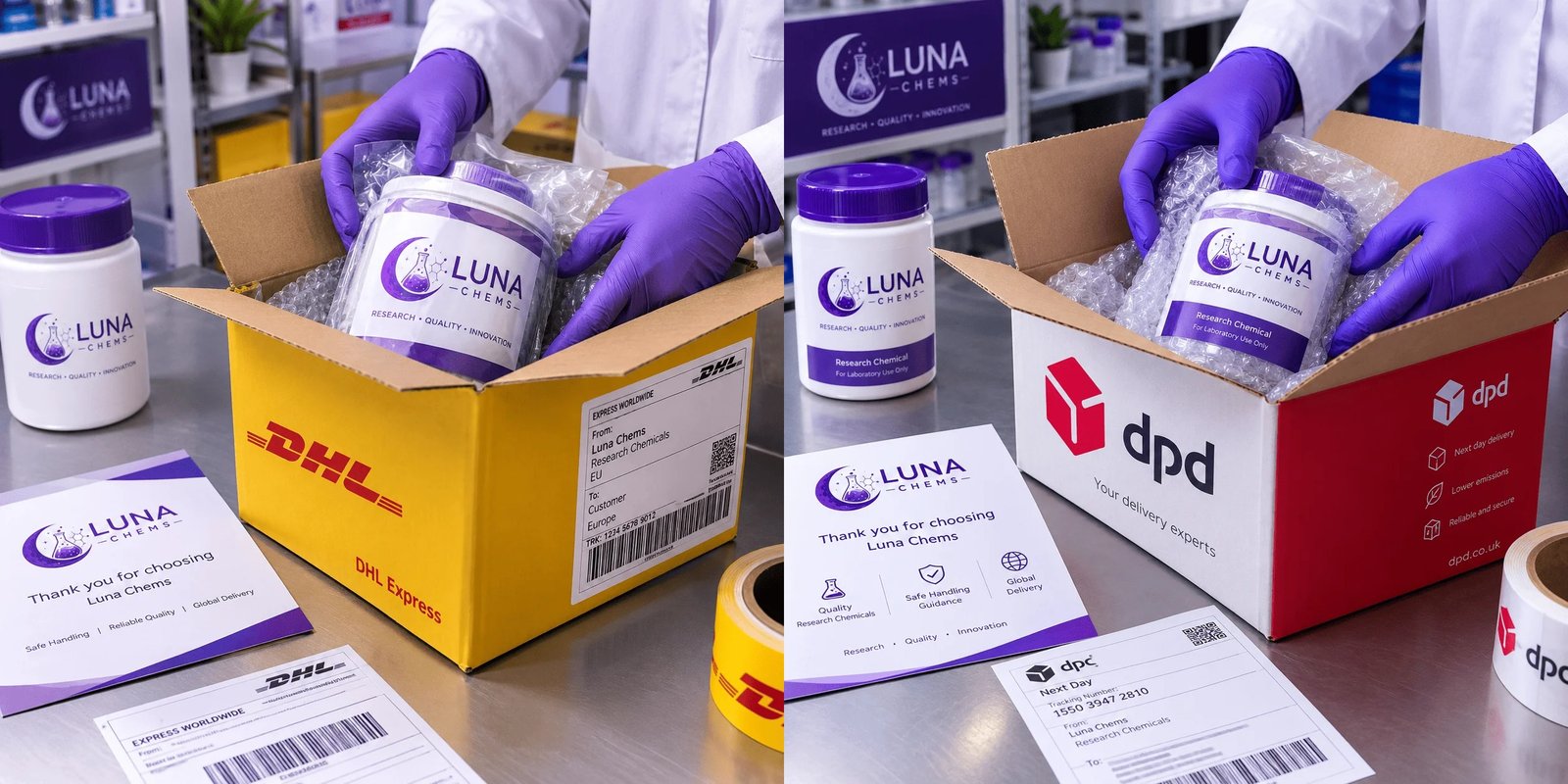
 Courier delivery
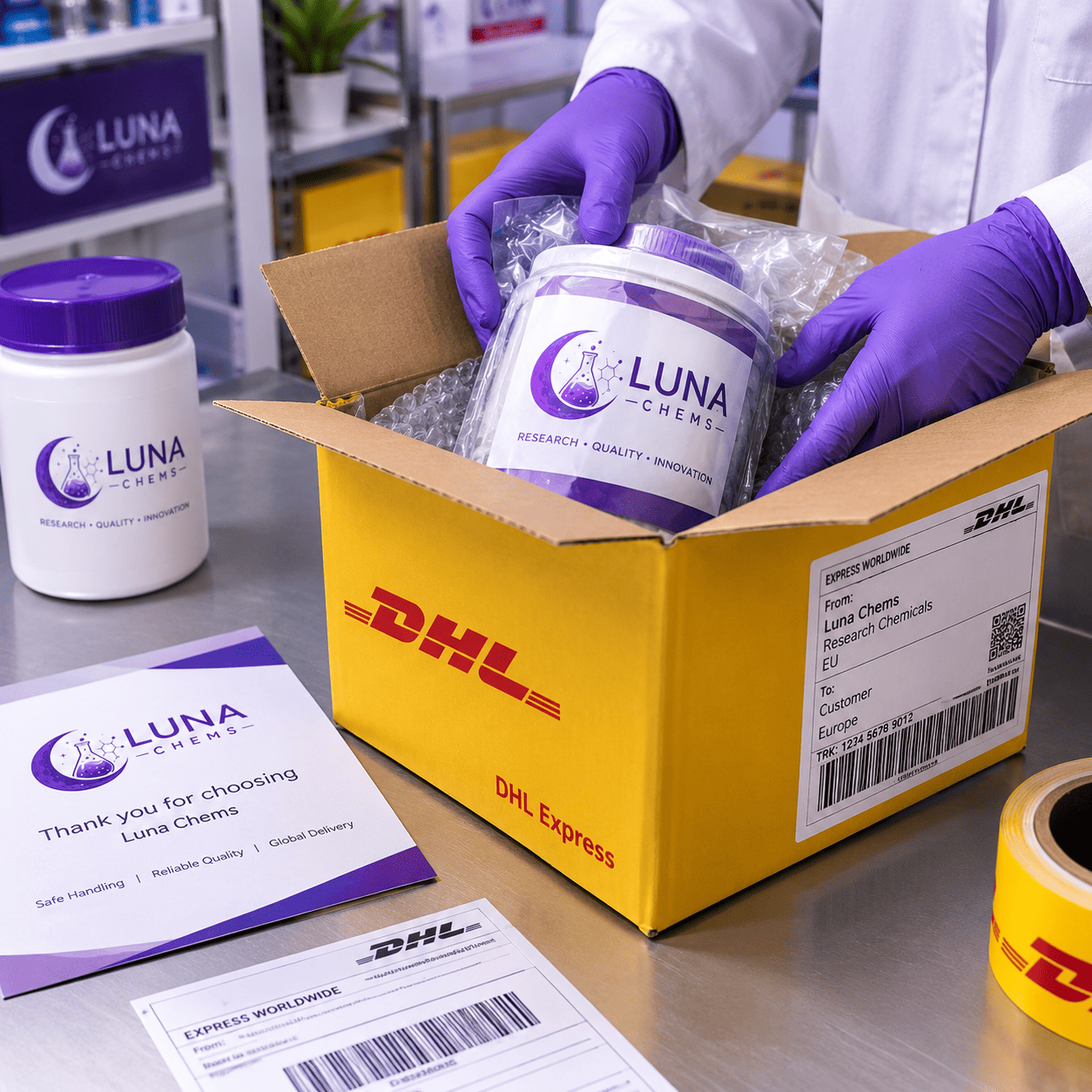
 DHL Courier delivery
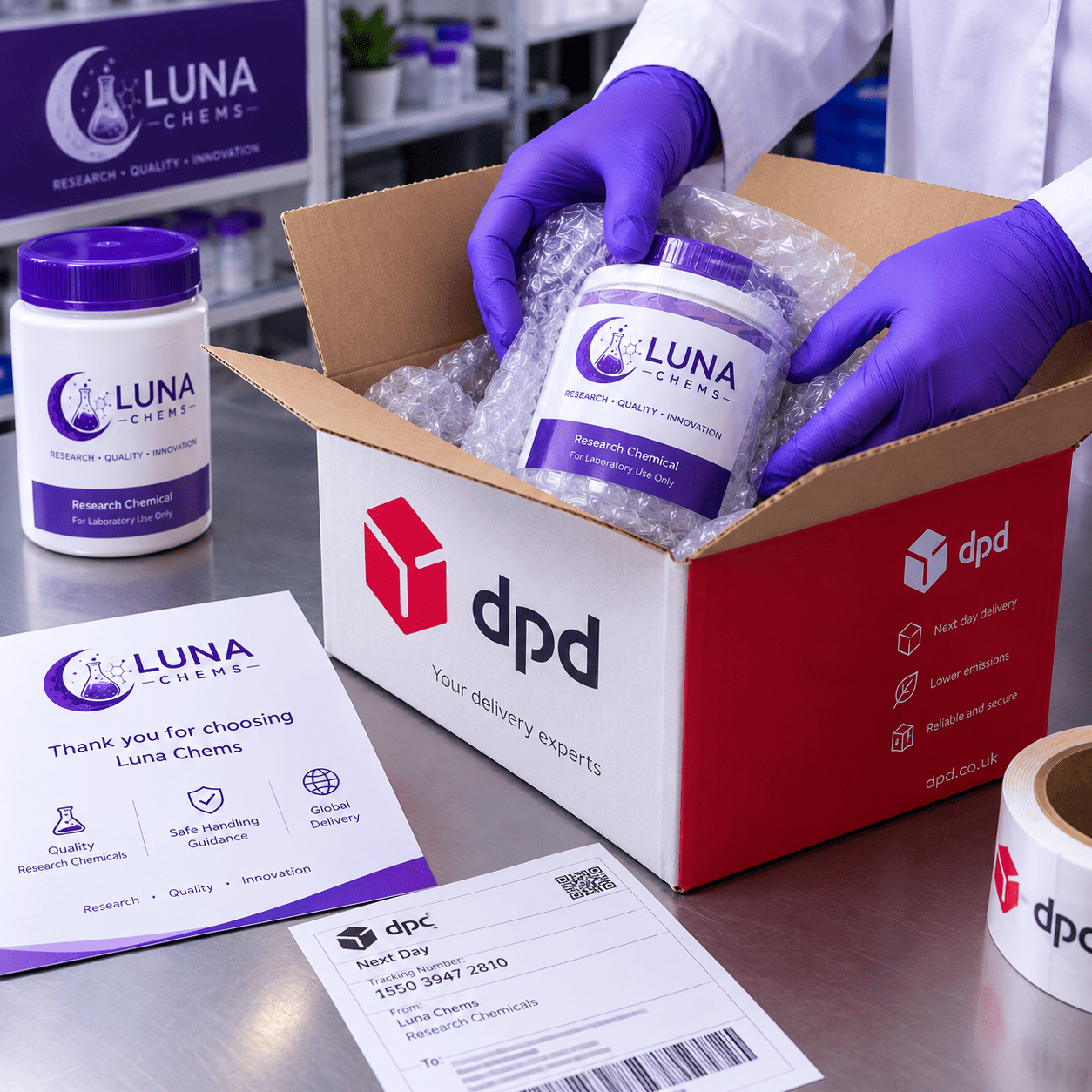
 DPD Courier delivery



Reviews
Clear filtersThere are no reviews yet.